
Medical Coding and Billing: CPT, ICD-10-CM and HCPCS Basics
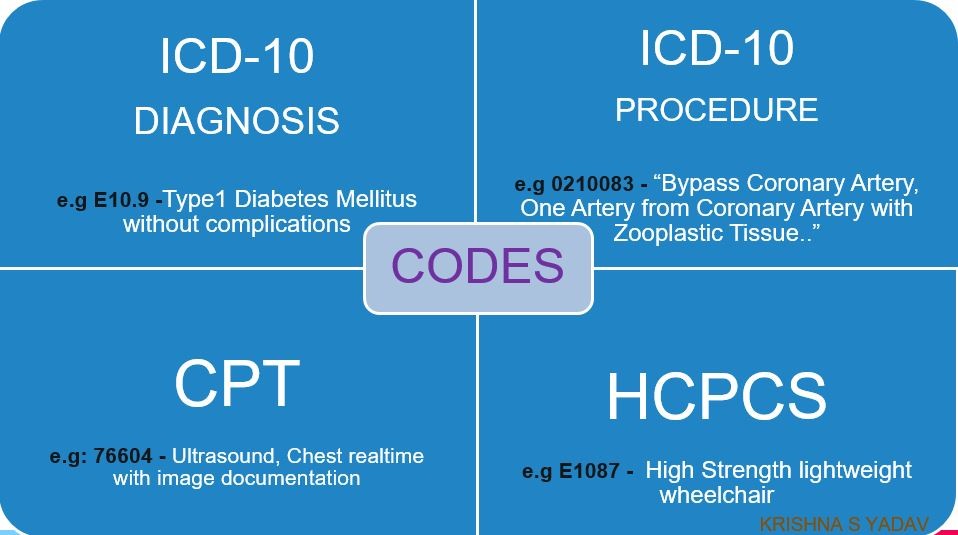
A clear guide to how CPT, ICD-10-CM and HCPCS codes fit into medical billing workflows, claim accuracy and provider documentation in the United States.
A clear guide to how CPT, ICD-10-CM and HCPCS codes fit into medical billing workflows, claim accuracy and provider documentation in the United States.
Why coding and billing must work together
Medical coding transforms clinical documentation into standardized codes while medical billing uses the coded information and other claim details to request appropriate payment. Errors can occur when documentation does not support a reported code, when a payer requires specific claim information, or when system rules are not current. Strong collaboration is essential.
ICD-10-CM in brief
ICD-10-CM codes communicate diagnoses and relevant clinical conditions for US healthcare reporting. Code selection must follow the applicable official guidelines and the documentation available for the encounter. Correct diagnosis reporting helps describe the reason for a service, but it does not by itself establish that a payer will cover the claim.
CPT and HCPCS code families
CPT is commonly used to describe many professional services and procedures. HCPCS Level II includes additional products, supplies and services that are not fully described by CPT. Applicable modifiers may communicate circumstances of a service. Codes and descriptors may change, so a production workflow requires current licensed resources and payer guidance.
Documentation and compliance
A coding team should be able to trace a code choice to the relevant medical record. Unsupported upcoding, unbundling, or copying prior documentation can create compliance risks. Clinical decisions remain the provider’s responsibility. Audits should look for patterns that require training or workflow changes and should respect patient privacy.
Billing edits and payer variations
A clean claim process checks code format, required fields, eligibility, claim timing, and other documented payer rules. Two payers may apply different coverage or administrative policies. Do not assume that a code combination accepted by one plan will be accepted universally. Escalate uncertain coding and compliance issues to qualified professionals.
Improve coding-to-cash communication
Set up a documented question-and-answer workflow between front desk, coding, clinical staff, and billing. Measure charge lag, coding backlog, rejections, and denials. Periodically review claims that required corrections and use findings to improve training and pre-submission checks.
Learn more and next steps
For background, consult the Centers for Medicare & Medicaid Services billing resources and review the specific payer rules that apply to your practice. For a review of your revenue cycle operations, contact Health Claims Partners LLC.
Need help improving your billing workflow? Contact Health Claims Partners LLC for a consultation.