
Medical Claim Denial Management: Causes, Appeals and Prevention
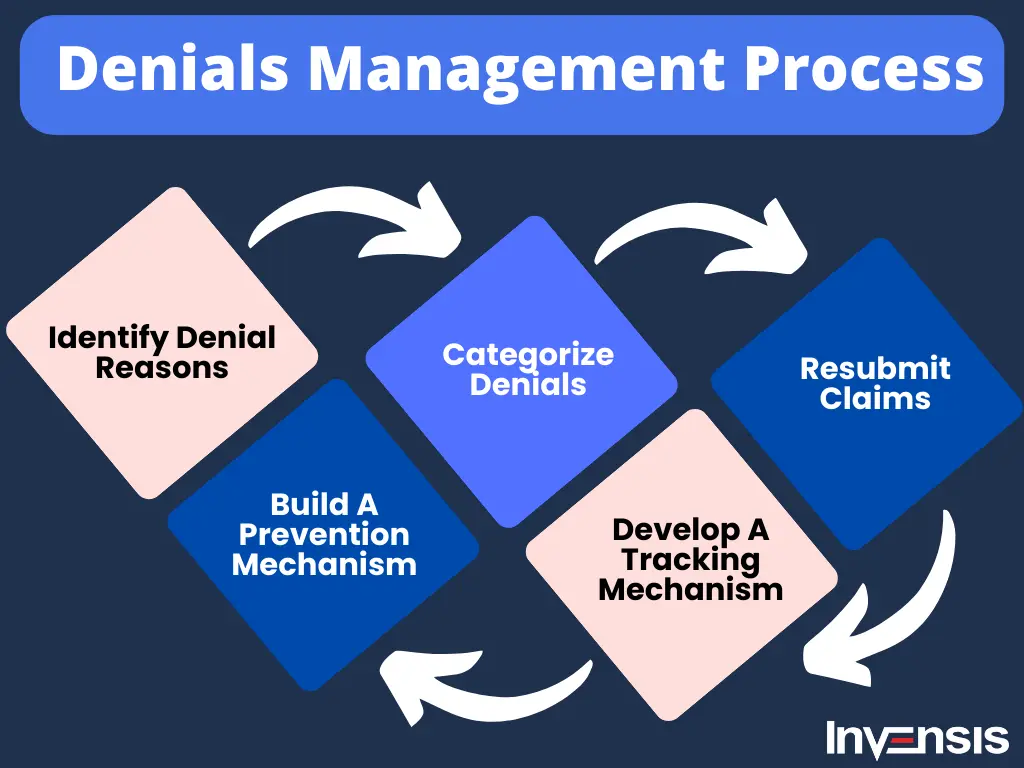
Learn common medical claim denial reasons, how to structure denial follow-up, and steps to prevent avoidable lost time in US medical billing.
Learn common medical claim denial reasons, how to structure denial follow-up, and steps to prevent avoidable lost time in US medical billing.
Understanding claim denials
A denial occurs when a health plan processes a claim but does not pay it as submitted. Denials can relate to coverage, medical necessity, coding, authorization, timely filing, coordination of benefits, or other payer-specific reasons. Not all denials mean that payment is permanently unavailable, and not every denial should be appealed. The best next step depends on the payer explanation and supporting documentation.
Rejection versus denial
A rejection typically indicates that a claim did not pass an initial transmission or validation check and needs correction for acceptance. A denial generally follows adjudication. Treating both as the same problem leads to inaccurate reporting and the wrong escalation steps. Maintain distinct rejection and denial work queues.
Common root causes to investigate
Check for inactive coverage, missing referrals or prior authorizations, inaccurate member details, unsupported billing codes, modifier conflicts, payer edits, duplicate submissions, and late filing. Always read the actual explanation of benefits or electronic remittance advice rather than relying only on generic categories. Confirm the applicable payer policies and contracted terms.
A disciplined follow-up process
Record the denial reason, claim number, payer, due date, responsible owner, and next action. Determine whether the issue calls for a corrected claim, a reconsideration, a formal appeal, additional clinical documentation, or a write-off after review. Keep copies of communications and supporting records in access-controlled systems. Use the relevant payer procedures and current deadlines.
How to improve prevention
Analyze denial patterns by payer, location, specialty, provider, and reason. If authorization-related denials are rising, investigate front-end verification and scheduling practices. If documentation denials are common, focus on documentation improvement with qualified staff. Prioritize high-frequency preventable causes over one-off exceptions.
When external support can help
A billing partner can support systematic work queues, payer follow-up documentation, and denial trend reporting. Practices should still retain oversight of coding and clinical documentation decisions. Health Claims Partners LLC can help teams map denial root causes and establish an accountable follow-up process.
Learn more and next steps
For background, consult the Centers for Medicare & Medicaid Services billing resources and review the specific payer rules that apply to your practice. For a review of your revenue cycle operations, contact Health Claims Partners LLC.
Need help improving your billing workflow? Contact Health Claims Partners LLC for a consultation.