
Insights / Medical Billing
Denial Management Services USA: Reduce Medical Claim Denials and Improve Healthcare Revenue

Discover how medical billing denial management helps healthcare providers identify claim problems, reduce rejections, improve payment follow-ups, and manage revenue.
Understanding Medical What Is Medical Billing Denial Management?
Medical billing denial management is an important part of healthcare financial operations in the United States. Healthcare providers submit insurance claims to receive payments for the services they provide. However, insurance companies sometimes reject or deny claims because of missing information, incorrect coding, coverage problems, or authorization requirements.An effective denial management process helps medical practices identify these problems, correct errors, and improve future claim submissions.https://www.cms.gov/data-research/monitoring-programs/medicare-fee-service-compliance-programs/review-reason-codes-and-statementshttps://www.cms.gov/data-research/monitoring-programs/medicare-fee-service-compliance-programs/review-reason-codes-and-statements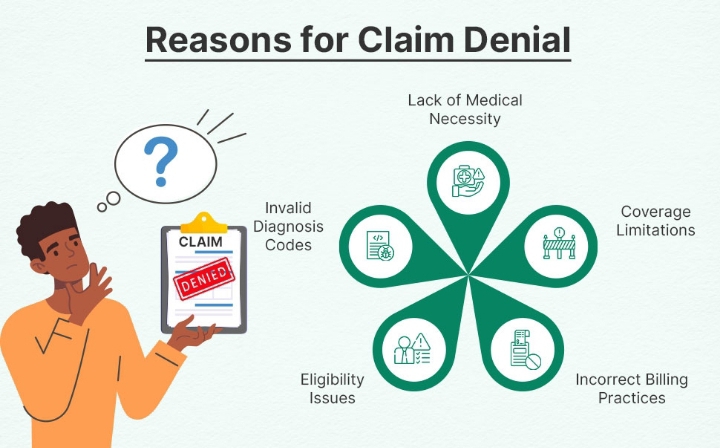 https://www.cms.gov/medicareWhat Is Medical Billing Denial Management?Denial management is the process of reviewing denied insurance claims, identifying the reasons for denial, and taking appropriate corrective action.Billing professionals review insurance explanations, examine patient records, correct claim information, and submit appeals when appropriate.The goal is to reduce preventable denials and recover payments for eligible healthcare services.
Common Reasons for Medical Claim DenialsHealthcare claims can be denied for several reasons, including:
- Incorrect patient or insurance information.
- Missing medical documentation.
- Expired insurance coverage.
- Incorrect diagnosis or procedure codes.
- Missing prior authorization.
- Duplicate claim submissions.
- Claims submitted after filing deadlines.
Benefits of Professional Denial ManagementA structured denial management process can help healthcare organizations:
- Identify recurring claim problems.
- Reduce avoidable administrative work.
- Improve insurance follow-ups.
- Track outstanding payments.
- Support better revenue cycle performances.
How Medflux Can HelpMedflux can position its billing support around organized claim reviews, denial tracking, and accounts receivable follow-ups. These processes help healthcare providers maintain better visibility into outstanding claims and billing performance.
ConclusionMedical billing denial management helps healthcare organizations address insurance claim problems and improve their financial workflows. Regular monitoring, accurate documentation, and timely follow-ups are essential for an effective denial prevention strategy.
https://www.cms.gov/medicare
https://www.medicare.gov/providers-services/claims-appeals-complaints
Need help improving your billing workflow? Contact Health Claims Partners LLC for a consultation.